ALBA Synchrotron

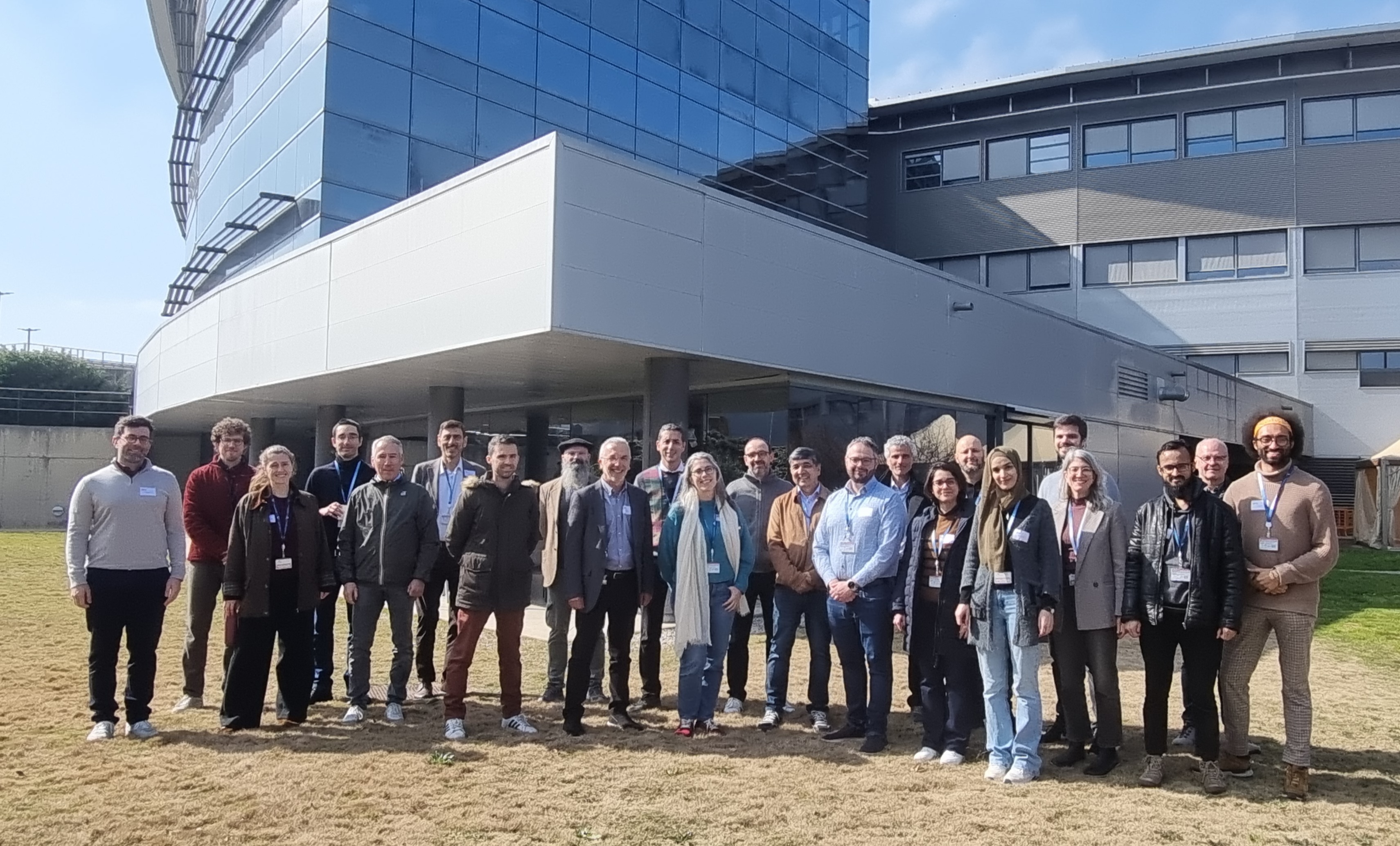
At the end of February, partners of the European RF2.0 project gathered at the ALBA Synchrotron for a two-and-a-half-day meeting to review the project’s progress, coordinate the final phase of activities, and strengthen collaboration among research infrastructures across Europe.
RF2.0 is a European project that designs, develops, and validates in-field novel solutions for components and systems aimed at transforming particle accelerators into more sustainable and energy-efficient research infrastructures. The project consortium held an in-person meeting at the ALBA Synchrotron at the end of February.
The two-and-a-half-day meeting brought together partners from across Europe with the aim of reviewing the project's progress, planning the final activities, and strengthening collaboration as the project enters its final year.
During the first day, a plenary session was held in which the leaders of the different work packages presented detailed updates and discussed the main current challenges. Among the milestones achieved, the completion of Work Package 3 stands out, which focused on data-driven energy management for research infrastructures.
The meeting also served to define the next steps for the third year of the project and to carry out a systematic follow-up of exploitable results in order to maximize their long-term impact. In addition, the partners refined the communication strategy, with particular emphasis on the research community, scientific infrastructures, industry, and European policymakers.
As part of the meeting, a joint workshop was also organized with the sister European project ISAS, which made it possible to share progress, explore synergies, and discuss possible avenues for future collaboration.
One of the highlights of the meeting was a guided tour of the ALBA Synchrotron facilities. Participants were able to enter the accelerator tunnel and the light source infrastructure, gaining first-hand insight into the technical challenges and solutions involved in operating large-scale scientific infrastructures.
Original press release and more pictures here