ALBA Synchrotron

3Sbar is the ALBA’s 14th beamline and the first one optimized for ALBA II. Following the arrival of key instrumentation and the installation of its insertion device, the project is ready to receive the first photons!

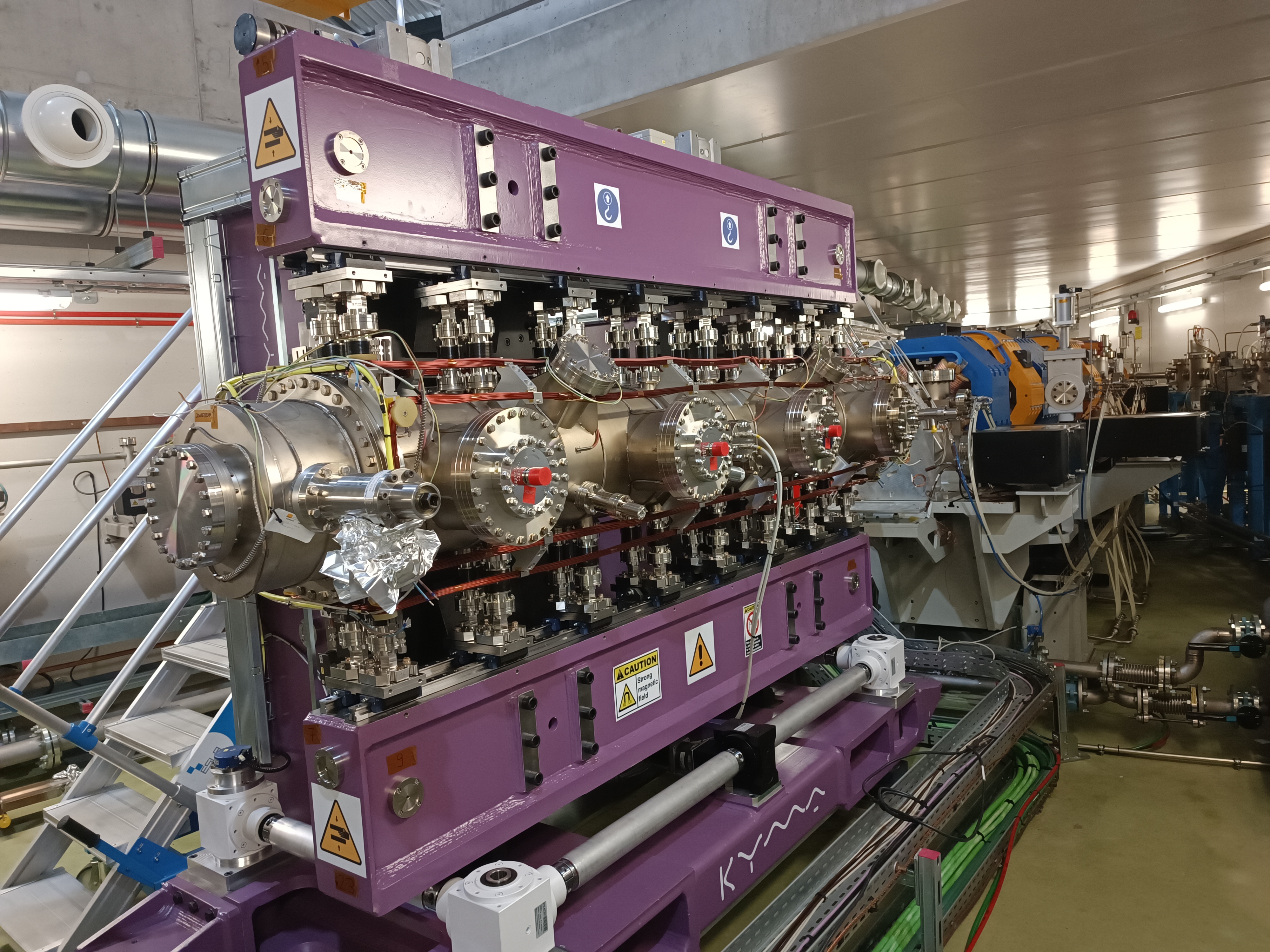
Detail of the 3Sbar insertion device.
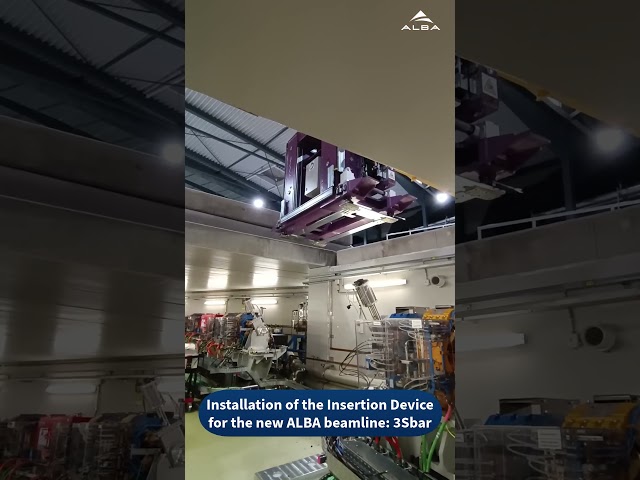
One of the most significant recent milestones in the construction process of 3Sbar (Surface Structure and Spectroscopy at 1 bar) has been the installation of the insertion device in March 2026.
Located inside the storage ring of ALBA’s accelerator complex, this magnetic device is responsible for generating the high-brilliance X-ray beam that will be used for the experiments at 3Sbar. Its installation marks the transition from infrastructure construction to the final stages of beamline integration and commissioning.
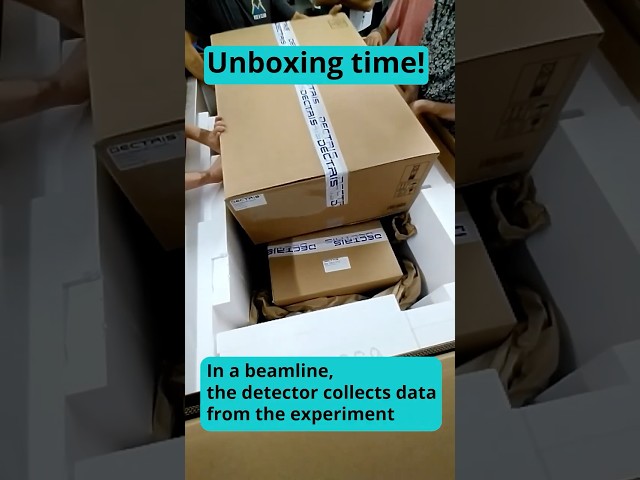
Previously, another significant milestone was also reached in the summer of 2025 with the arrival of one of the beamline’s key scientific instruments: a PILATUS4 XE 2M detector. As one of the most critical components of any synchrotron beamline, the detector records the signals generated when X-rays interact with a sample, transforming them into the data used by researchers to understand material properties and processes.
More recently, in March 2026, the beamline received another major scientific instrument, the AEOLOS 150 AD-CMOS Analyzer. This state-of-the-art analyzer is designed to perform measurements under variable atmospheric conditions, ranging from ultra-high vacuum (UHV) to near-ambient pressure (NAP) environments of up to 100 mbar. The transition between UHV and NAP operation can be performed efficiently, enabling great experimental flexibility. In NAP mode, the analyzer provides a 44° acceptance angle and is capable of operating with kinetic energies of up to 10 keV, significantly expanding the beamline’s capabilities for advanced surface and interface studies under relevant operating conditions.
As the 14th beamline of ALBA, 3Sbar is designed to provide unprecedented insight into the chemical and structural evolution of materials. It has been conceived to bridge the so-called “pressure gap” in surface science, allowing experiments to be carried out under conditions much closer to those found in industrial and environmental applications.
The beamline will combine Hard X-ray Photoelectron Spectroscopy (HAXPES) and Surface X-ray Diffraction (SXRD) in a single instrument, enabling researchers to simultaneously probe the electronic and atomic structure of surfaces and interfaces under relevant experimental conditions. This combination will enable in situ and operando studies of solid-gas and solid-liquid interfaces; providing the international scientific community with a unique instrument to address challenges in energy technologies, catalysis, cleaner energy technologies, environmental science and more sustainable industrial processes.
This new beamline, funded by the Recovery, Transformation and Resilience Plan within the framework of NextGenerationEU, will be the first optimized for ALBA II, the upcoming upgrade that will transform ALBA into a fourth-generation synchrotron light source.
Following the successful installation of the insertion device, work is now focused on the installation and alignment of the remaining optical and experimental components. First photons at the beamline are expected in November, initiating the commissioning phase. The first user experiments will follow once commissioning and performance validation have been successfully completed.